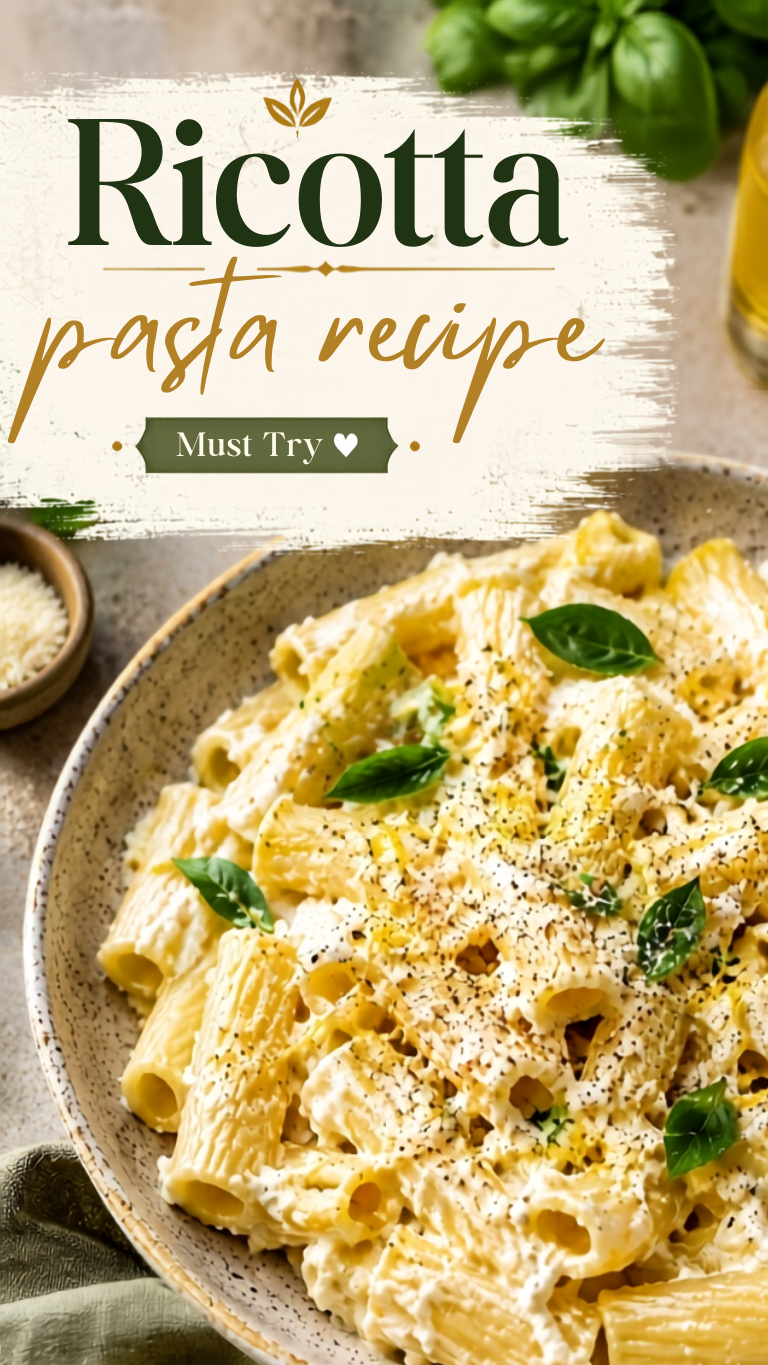
I used to think ricotta was just something you shoved into lasagna and forgot about.
Then I made pasta with it. Straight in the sauce, no baking required.
It turned into the creamiest, dreamiest bowl of pasta I’ve had in my own kitchen, and I’ve made a lot of pasta.
This one takes about 20 minutes, uses one pot (plus your pasta pot), and tastes like something you’d order at a cozy Italian spot and then think about for days.
Let’s get into it. 🍝
Recipe At a Glance
| Detail | Info |
|---|---|
| Prep time | 10 minutes |
| Cook time | 15 minutes |
| Total time | 25 minutes |
| Servings | 4 |
| Difficulty | Easy |
| Best for | Weeknights, date nights, impressing people with minimal effort |
The One Thing Most People Get Wrong
Here’s a surprising fact: most ricotta pasta disasters happen because people dump cold ricotta straight into hot pasta.
It seizes up. It gets grainy. It looks a little sad.
The fix takes ten extra seconds and I’ll walk you through it below. Once you know it, you’ll never mess this up again.
What You’ll Need
- 1 lb (16 oz) short pasta (rigatoni, penne, or fusilli all work great)
- 15 oz whole milk ricotta cheese
- 3 cloves garlic, minced
- 3 tbsp unsalted butter
- 1 lemon (zested and juiced)
- 1/2 cup grated parmesan, plus more for topping
- 1/2 tsp red pepper flakes (optional, but I always add it)
- 1 cup reserved pasta water
- Salt and black pepper, to taste
- Fresh basil or parsley, chopped, for topping
- Olive oil, for finishing
Tools You’ll Need
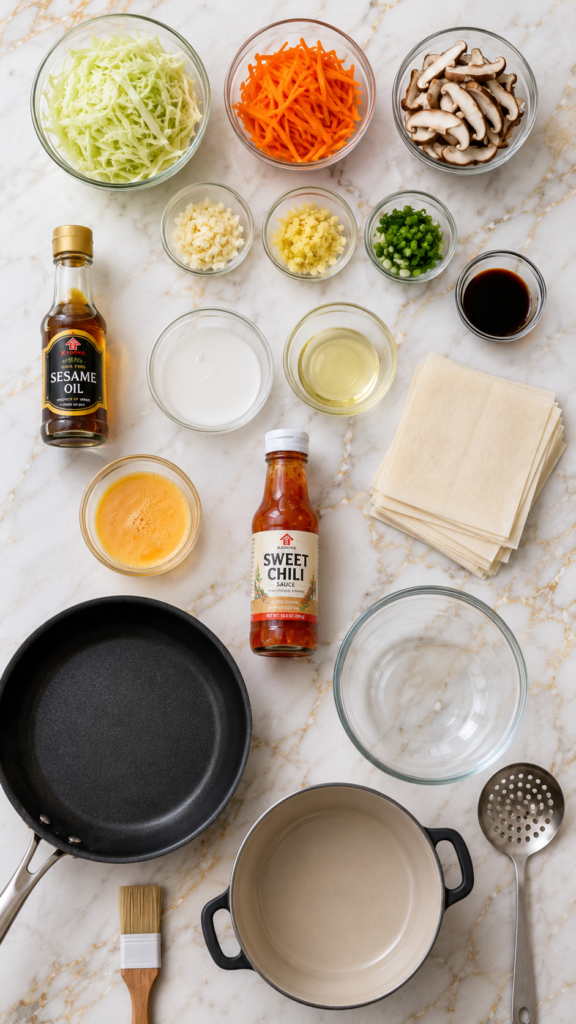
- Large pot for boiling pasta
- Large skillet or sauté pan
- Fine grater or microplane (for the lemon zest and parmesan)
- Ladle or measuring cup (for scooping pasta water)
- Tongs
How to Make Creamy Ricotta Pasta
1. Boil your pasta. Salt your water generously. It should taste like the sea. Cook your pasta until just shy of al dente, since it’ll finish cooking in the sauce.
2. Save your pasta water before draining. This is non-negotiable. Scoop out a full cup before you drain. That starchy water is what makes this sauce silky instead of clumpy.
3. Build the garlic butter base. In your skillet, melt the butter over medium heat. Add the garlic and red pepper flakes. Cook for about 60 seconds, just until fragrant. Don’t let it brown.
4. Temper the ricotta. This is the step that changes everything. In a bowl, mix the ricotta with a few tablespoons of the hot pasta water first. Stir until smooth and warmed through.
Only then add it to the skillet. This tiny step keeps it silky instead of clumpy.
5. Bring it all together. Add your drained pasta straight into the skillet. Pour in the ricotta mixture, lemon zest, lemon juice, and parmesan. Toss everything together, adding splashes of pasta water as needed until it turns glossy and coats every noodle.
6. Season and finish. Taste it. Add salt and pepper as needed. Top with fresh basil, extra parmesan, and a light drizzle of olive oil.
Serve it immediately, while it’s still warm and stretchy.
Pro Tips
- Always warm your ricotta first. Cold ricotta plus hot pasta equals a grainy sauce every time. Ten seconds of mixing fixes this completely.
- Don’t skip the pasta water. It’s not optional garnish advice. The starch in it is what turns this into a sauce instead of just cheese on noodles.
- Use whole milk ricotta, not part-skim. Part-skim tends to separate and turn watery once heated. Whole milk holds together and tastes ten times richer.
- Toast the garlic gently. Burnt garlic turns bitter fast and it’ll throw off the whole dish. Medium heat, 60 seconds, done.
- Add lemon zest, not just juice. The zest carries the oils and gives you that bright, fresh flavor without making the sauce taste sour.
Substitutions and Variations
Short on an ingredient? Here’s what actually works as a swap.
- No ricotta? Mascarpone or full-fat cottage cheese (blended smooth) both work in a pinch.
- Dairy-free? A raw cashew ricotta blended with lemon and nutritional yeast gets surprisingly close.
- Want protein? Crispy pancetta, grilled chicken, or sautéed shrimp all pair beautifully.
- Want it green? Toss in a couple handfuls of baby spinach right before serving. It wilts fast in the residual heat.
- Gluten-free? Any gluten-free short pasta holds up well here. Just don’t overcook it, since it turns mushy fast.
- Want a spicier kick? Double the red pepper flakes, or add a spoonful of Calabrian chili paste.
Make-Ahead Tips
Ricotta pasta is best fresh, but you can prep pieces of it in advance.
- Mince your garlic and zest your lemon up to a day ahead. Store separately in the fridge.
- Measure out your ricotta, parmesan, and butter so it’s ready to go the moment your pasta hits the boil.
- Avoid making the full sauce ahead of time. It doesn’t reheat as smoothly, since ricotta can turn grainy when reheated twice.
Nutrition and Pairing Notes
A standard serving (about 1.5 cups) runs roughly 480 to 520 calories, depending on your pasta and how heavy handed you are with parmesan.
It’s a good source of protein and calcium thanks to the ricotta, but it does run higher in saturated fat, so I like pairing it with something light.
- Pair it with: a simple arugula salad with lemon vinaigrette
- Drink pairing: a crisp white wine like Pinot Grigio, or sparkling water with lemon for a non-alcoholic option
- Bread: a crusty baguette for scraping up every last bit of sauce (trust me, you’ll want to)
Leftovers and Storage
- Fridge: Store in an airtight container for up to 3 days.
- Reheating: Add a splash of water or milk and reheat gently on the stove over low heat, stirring often. The microwave works too, just do it in short bursts and stir between each one.
- Freezer: I don’t recommend freezing this one. Ricotta based sauces tend to separate once thawed and the texture never quite comes back.
FAQ
Can I use low-fat ricotta?
You can, but the sauce won’t be as rich or creamy. Whole milk ricotta gives you the best texture by far.
Why did my sauce turn grainy?
This almost always happens when cold ricotta hits hot pasta directly. Warming it with pasta water first solves this every time.
Can I make this vegan?
Yes, with a cashew based ricotta substitute and nutritional yeast in place of parmesan. The texture changes slightly but it still turns out creamy.
What pasta shape works best?
Anything with ridges or curves, like rigatoni, fusilli, or shells. They hold onto the sauce better than smooth noodles like spaghetti.
Can I double this recipe?
Yes, just double every ingredient and use a bigger skillet so everything has room to toss together evenly.
Wrapping Up
This ricotta pasta earned a permanent spot in my weekly rotation, and once you try that tempering trick, I think it’ll earn one in yours too.
It’s fast, it’s creamy, and it makes an ordinary Tuesday night feel a little more special.
Make it this week and let me know how it turns out. Drop a comment below with any questions, or tell me what you added to make it your own. I read every single one. 🍋